Pace
There is no score, timer, streak, ranking, or pressure to complete a module. Leaving a question open is an expected outcome.
Different bodies · different pace · one careful method
The evidence method does not require speed, perfect vision, fine-motor precision, prior historical knowledge, or a personal disclosure. A facilitator can adapt the pace while preserving consent and dignity.
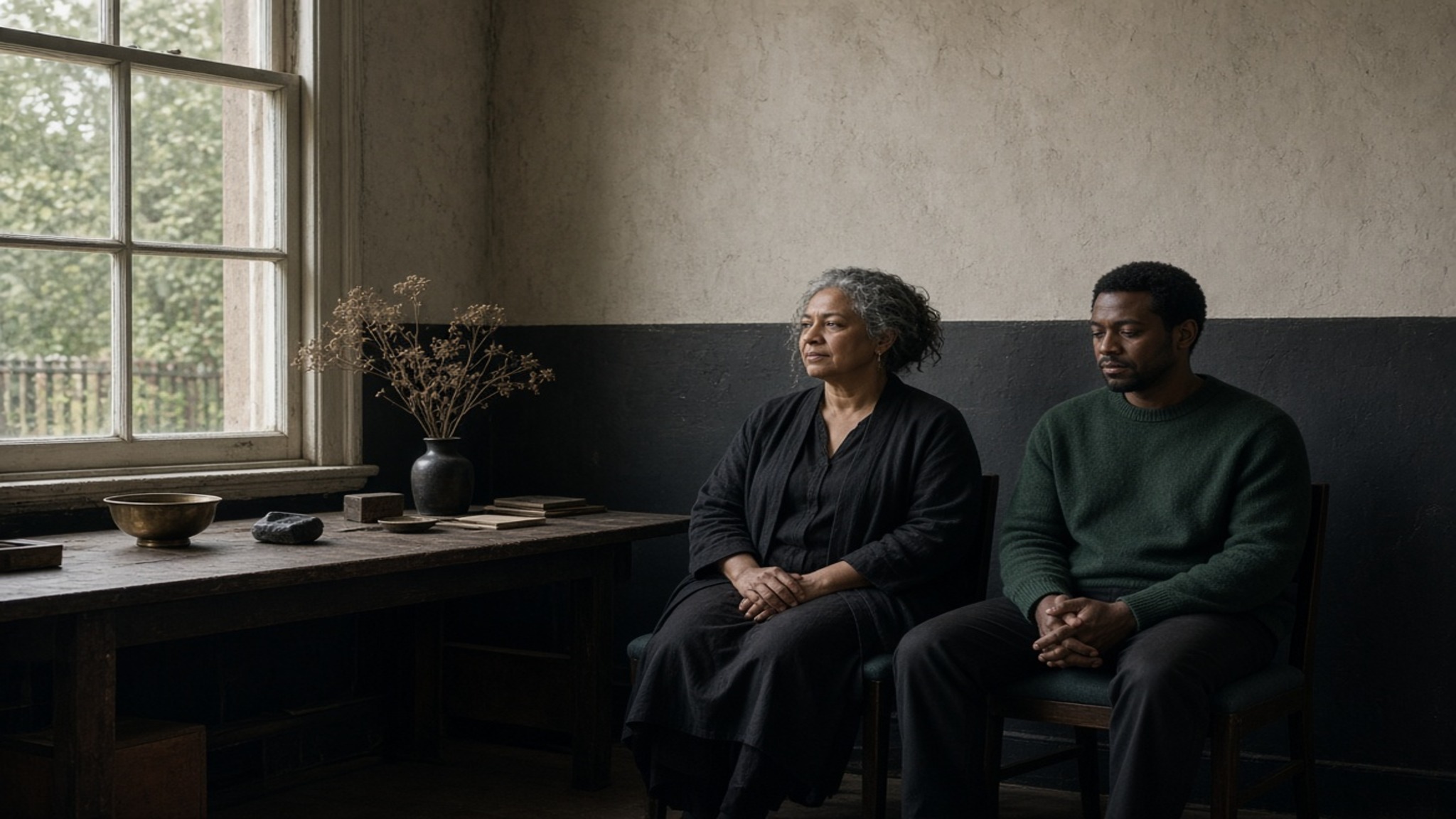
There is no score, timer, streak, ranking, or pressure to complete a module. Leaving a question open is an expected outcome.
Reduce Motion removes optional transitions. The site also honours the device's prefers-reduced-motion setting.
High-contrast text, visible focus, generous spacing, descriptive headings, and responsive layouts support zoom and keyboard access.
The app does not require a site walk or object handling. A seated or remote discussion can use the full source method.
Listening Bench is a visual literacy exercise. It plays and records no audio, and all prompts are available as text.
Images are illustrative context, not the sole carrier of an instruction. Core boundaries and prompts remain written.
An adult facilitator controls the device and decides suitability, supervision, cultural respect, and group policies.
No participant name, personal history, family tree, image, voice, location, or free-text response is requested.
Access question
For a real museum, archive, classroom, or community activity, contact the responsible organization about physical access, sensory needs, language, scheduling, and support.