Observe
Describe only visible, audible, measurable, or directly readable features. Avoid motive, identity, date, or value unless the source establishes them.
Observation → inference → context
Historical sources become more useful when a reader can name what is visible, explain what is inferred, identify the source and context, and keep uncertainty open.
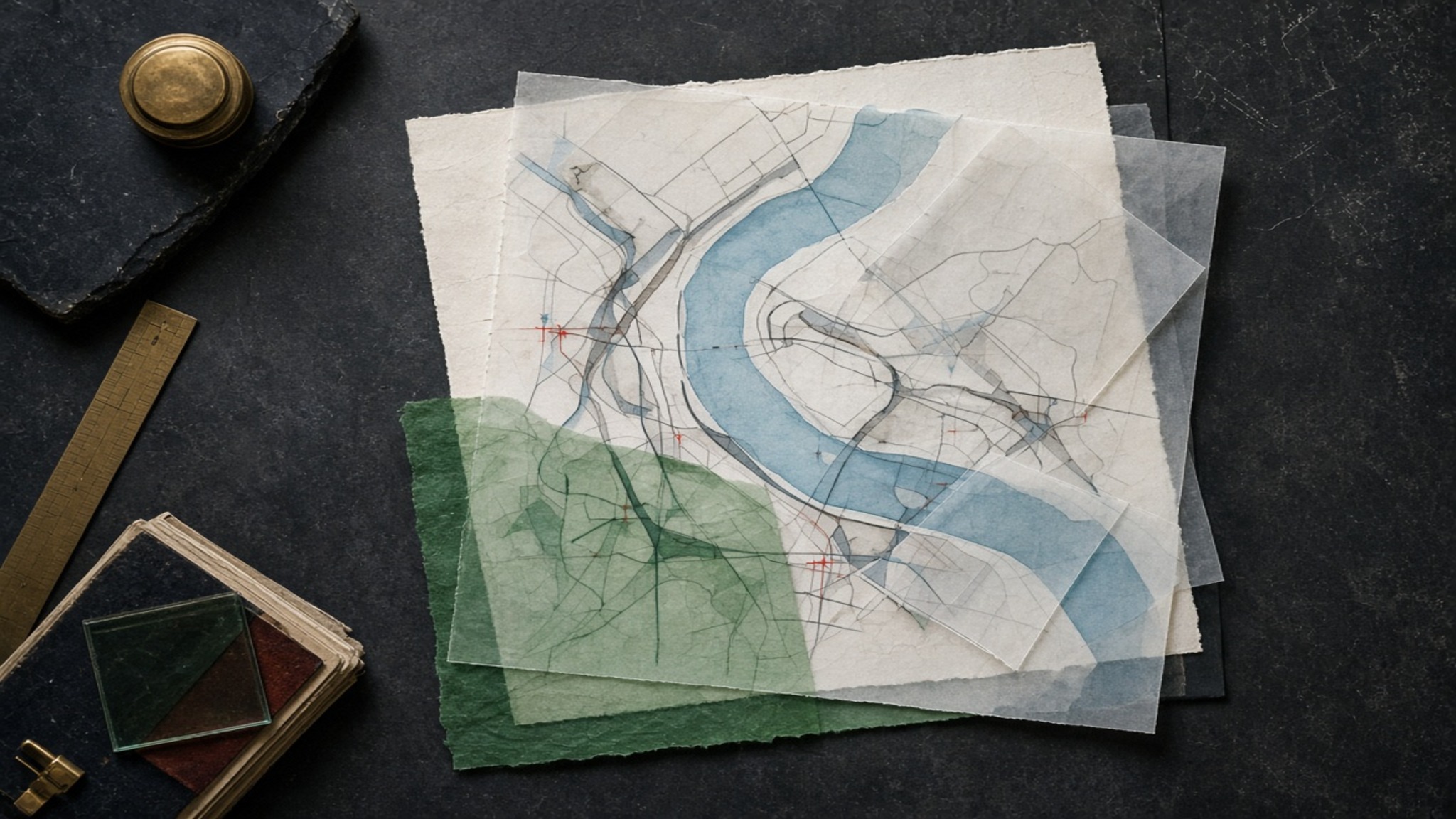
Describe only visible, audible, measurable, or directly readable features. Avoid motive, identity, date, or value unless the source establishes them.
State the interpretation separately. Generate more than one plausible inference when the observation permits it.
Ask who created, kept, selected, copied, captioned, or described the source—and for what audience or purpose.
Choose the smallest responsible question that another source, repository, person, or qualified record could answer.
Identify whether you are viewing an original, copy, crop, transcription, catalogue description, recollection, or later interpretation.
Record what the source cannot establish. A visible gap is evidence-aware, not a failure.
A second independent source can test sequence, context, authorship, custody, or interpretation. Repetition alone is not independence.
Preserve the repository and source trail while following copyright, privacy, cultural authority, donor restrictions, and access conditions.

Five-link chain
Provenance can strengthen understanding without becoming a promise of authenticity, ownership, copyright, or cultural authority. Those questions may require current records and qualified human decisions.